Block Sourcing
FFPE tumor blocks sourced from hospital and biobank partners, with anonymized clinical annotations covering tumor type, grade, stage, and treatment history.
Sectioning
Blocks are sectioned onto spatial capture substrates and quality-controlled, preserving native tissue architecture and spatial coordinates.
Spatial Profiling
Spatial transcriptomics paired with imaging-based morphology (H&E and immunofluorescence), with every measurement anchored to its location in the tissue.
Tissue Maps
Spatially resolved maps of cell states, programs, and niches that show how each tumor is organized across patient cohorts.
Live Tissue Sourcing
Fresh tumor resections and live tissue, with the option to harvest dissociated single cells, sourced from clinical partners under matched clinical annotations.
Slicing & Perturbation
Fresh tumors are processed into precision-cut tumor slices, or dissociated cells, and allocated into matched untreated and perturbed arms.
Response Readouts
Perturbation-response readouts across arms, including transcriptomic, proteomic, and functional or viability assays measured after treatment in living tissue.
Response Profiles
Response profiles capturing how living tumors react to drugs and perturbations, including sensitive and resistant cell populations.
A tissue-first data and model engine for cancer biology.
Spatial transcriptomics
Readouts from tumor blocks that map gene expression back onto tissue architecture, revealing neighborhoods, programs, and spatially organized disease states.
Morphology & proteomics
Histology, morphology, and protein-level measurements that anchor molecular findings in the physical structure of each patient sample.
Ex vivo perturbation
Precision-cut tumor slices exposed to drugs, cytokines, immune modulators, and genetic or molecular perturbations to observe response in native tissue.
Multimodal AI models
Multimodal models trained on our proprietary sequencing and spatial transcriptomics data, supporting target discovery, perturbation-response prediction, cross-modal tasks such as inferring spatial expression from H&E imaging, and patient stratification.



10,000 AI-Designed Regulatory DNA Sequences
AI-designed proximal enhancer-like sequences across three cell types, with predicted activity and 3D structures.
Does Muon Improve Regulatory DNA Learning?
Benchmarking Muon and Adam variants for regulatory DNA modeling.
Introducing Axis
The first AI model that generates regulatory DNA elements and predicts their function.
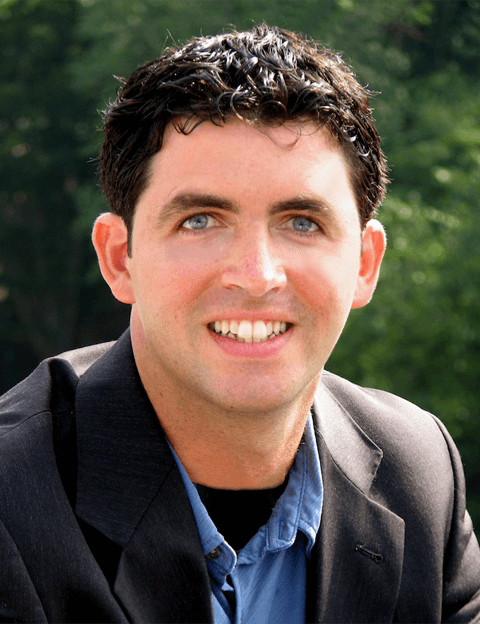
Dr. Manolis Kellis
Professor of Computer Science, MIT · Broad Institute
Leads the MIT Computational Biology Group, focusing on genomics, epigenomics, and regulatory genomics.
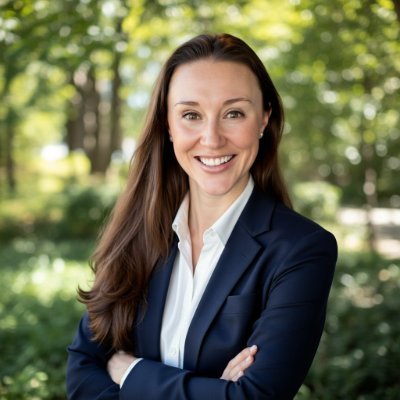
Dr. Nicole Paulk
Founder & CEO, Siren Biotechnology · UCSF
Leading expert in AAV gene therapy, advising Dyno Therapeutics, Astellas, and Metagenomi.
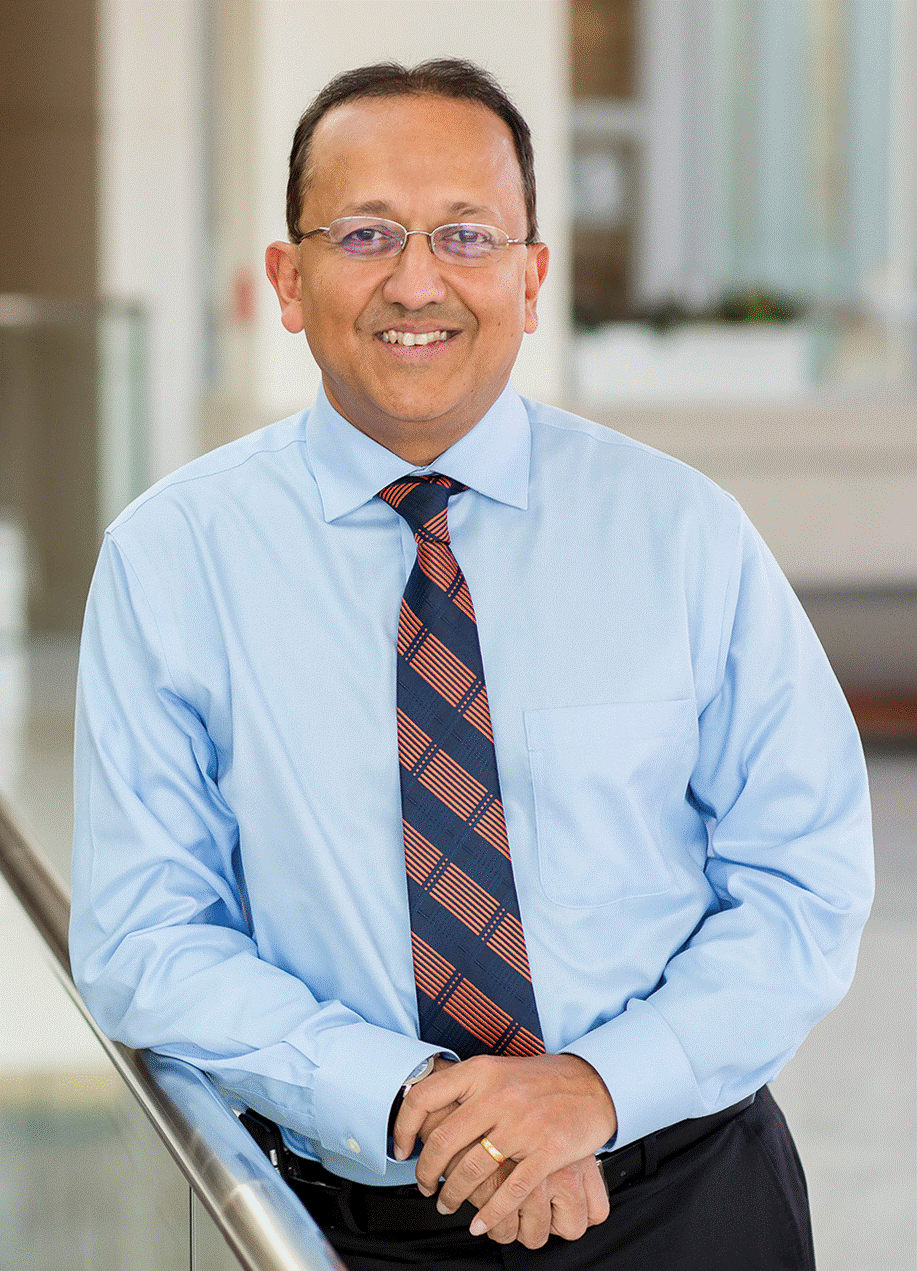
Dr. Rashid Bashir
Dean, Grainger College of Engineering, UIUC
Pioneer in bio-nanotechnology, biosensors, and microfluidics. CZ Biohub Chicago advisory committee.